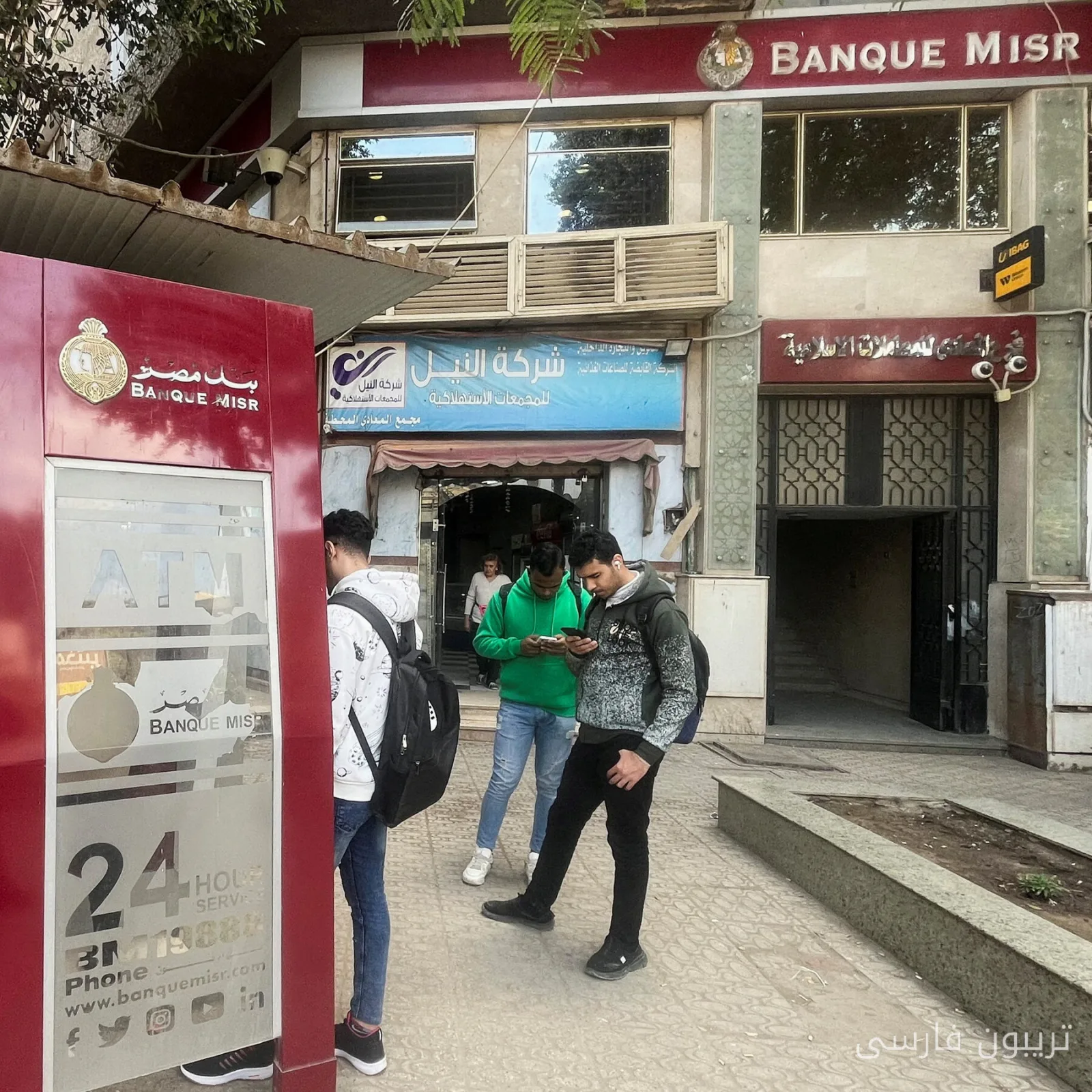
In the chaotic world of international relations, nothing can attract attention like financial allegations. Recently, Banque Misr branches in the United Arab Emirates have come under scrutiny for allegedly assisting Iran's programs in violation of sanctions. This issue has clearly caught the attention of the Central Bank of the UAE, and they have promised to thoroughly investigate these allegations.
Encroachment on the Threshold of Retaliation
The allegations against Banque Misr, especially in the current context where tensions between Iran and Western countries are at their peak, could have serious repercussions. These allegations, which are rapidly circulating in the media, could not only affect the credibility of this bank but also impact the UAE's economic relations with other countries.
Despite the fact that no official evidence has been released, statements from Emirati officials indicate their serious determination to pursue this issue. In this regard, the Central Bank of the UAE has announced that it will examine all aspects of this case and will take necessary actions if any violations are proven.
Economic and Political Impacts
This confrontation will have heavy consequences not only for Banque Misr but also for the entire banking system in the UAE and even at the international level. Currently, the UAE is recognized as one of the major financial hubs in the Middle East, and any tension in banking relations could lead to economic instability. At the same time, this issue may provoke retaliatory actions from Iran, which could have more serious consequences for regional security.
Ultimately, it remains to be seen whether these allegations are merely a media bubble or if there are indeed information and evidence behind this story that could lead to broader changes in economic and political relations.