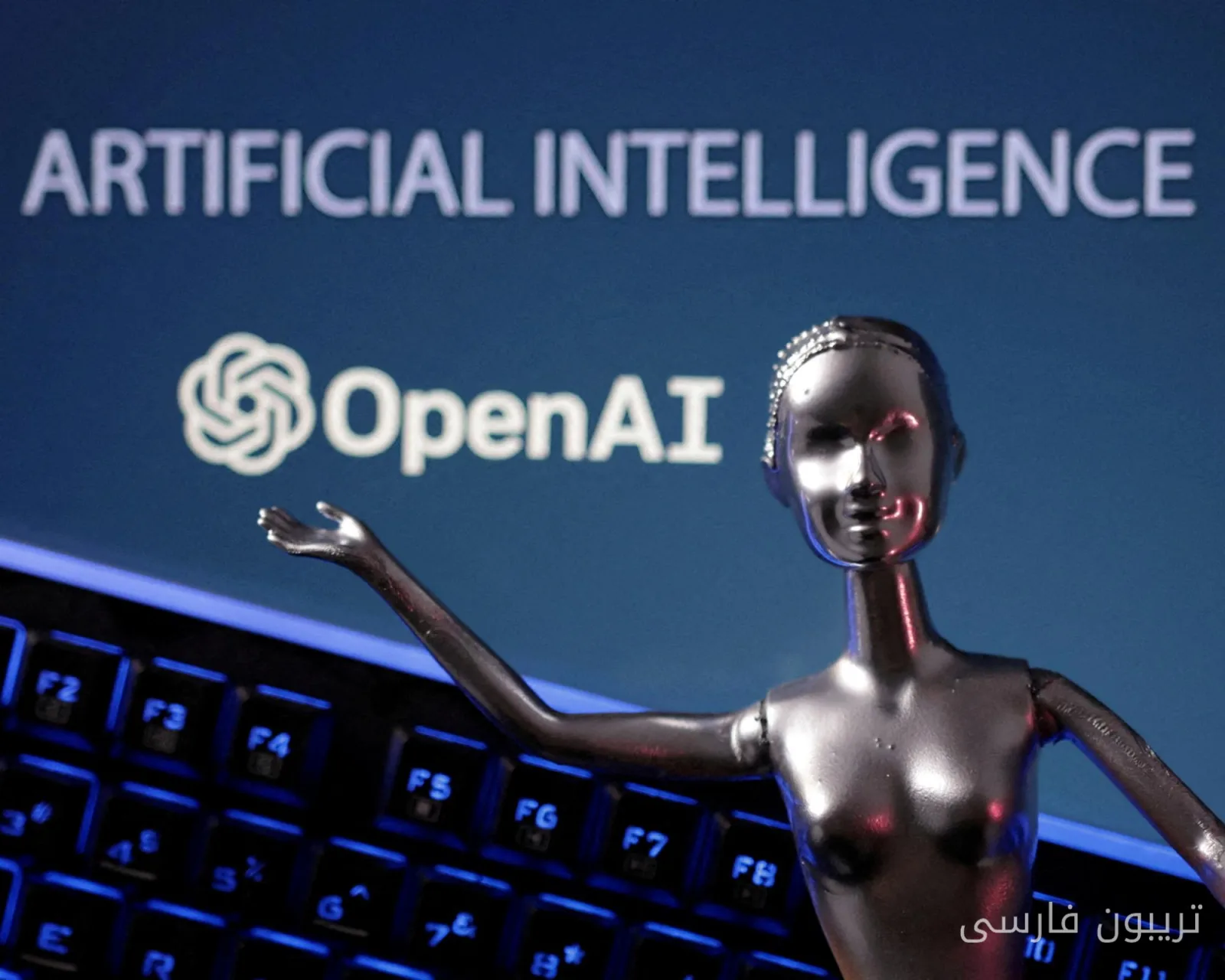
Last week was truly astonishing for mathematicians. OpenAI, the leading company in artificial intelligence, announced that its new model has successfully solved one of the famous Millennium Prize problems. This puzzle, with its one million dollar prize, had challenged the minds of the best mathematicians for years, and now, using artificial intelligence, it has reached a conclusion that has left many experts in awe.
Speed of Change and New Challenges
This achievement bears no resemblance to the usual way of solving mathematical problems. Instead of relying on a group of expert mathematicians, OpenAI deployed 10,000 artificial intelligence systems to automatically tackle this puzzle. The estimated cost for this project is around 15 million dollars. Does this trend signify the end of traditional mathematics?
These questions are just a part of the concerns of the mathematical community. With the emergence of these advanced technologies, many mathematicians are worried about the future of their jobs and profession. Are we soon to witness a revolution in the world of mathematics where machines replace humans?
An Uncertain Future
Different reactions to this news have been expressed within the scientific community. Some believe that this achievement could lead to extraordinary advancements in the field of mathematics, while others warn of the dangers of over-reliance on technology. Does this trend mean the loss of critical thinking and human creativity?
Ultimately, this event not only marks a milestone in the history of mathematics but also reminds us to be vigilant about the rapid changes in the world of technology. Are we ready to adapt to these changes and benefit from them? The future will tell.