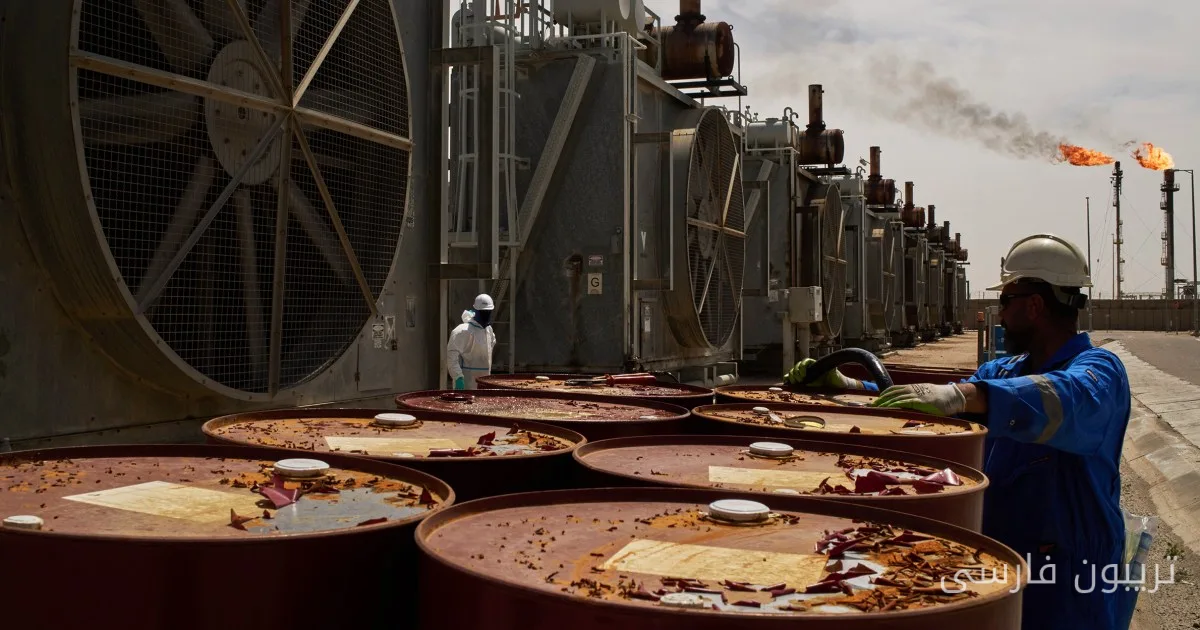
Following the escalation of tensions in the Middle East, oil prices have reached their highest level since May, exceeding $101 per barrel. This price increase has not only impacted oil markets but has also become one of the most concerning economic dilemmas of the day.
Impact of Regional Tensions on the Energy Market
Analyses indicate that political and military crises in the Middle East have always led to severe fluctuations in oil prices. As conflicts intensify, many analysts have concluded that this situation could lead to disruptions in oil supply and consequently further price increases.
This rise in oil prices occurs at a time when consuming countries are trying to reduce their dependence on Middle Eastern oil. However, despite these efforts, no one can deny that this region remains one of the primary sources of energy supply in the world.
Future Outlook and Concerns
With rising prices, concerns about the economic repercussions of this issue have also increased. Consumers around the world may face higher transportation and essential goods costs. This could lead to inflation and a decrease in purchasing power in various countries.
In this context, oil-producing countries are also facing new challenges. Will these price increases benefit them, or will the tensions and conflicts negatively impact their resources as well? It seems that the future of the oil market is heavily dependent on political and military developments in the Middle East.