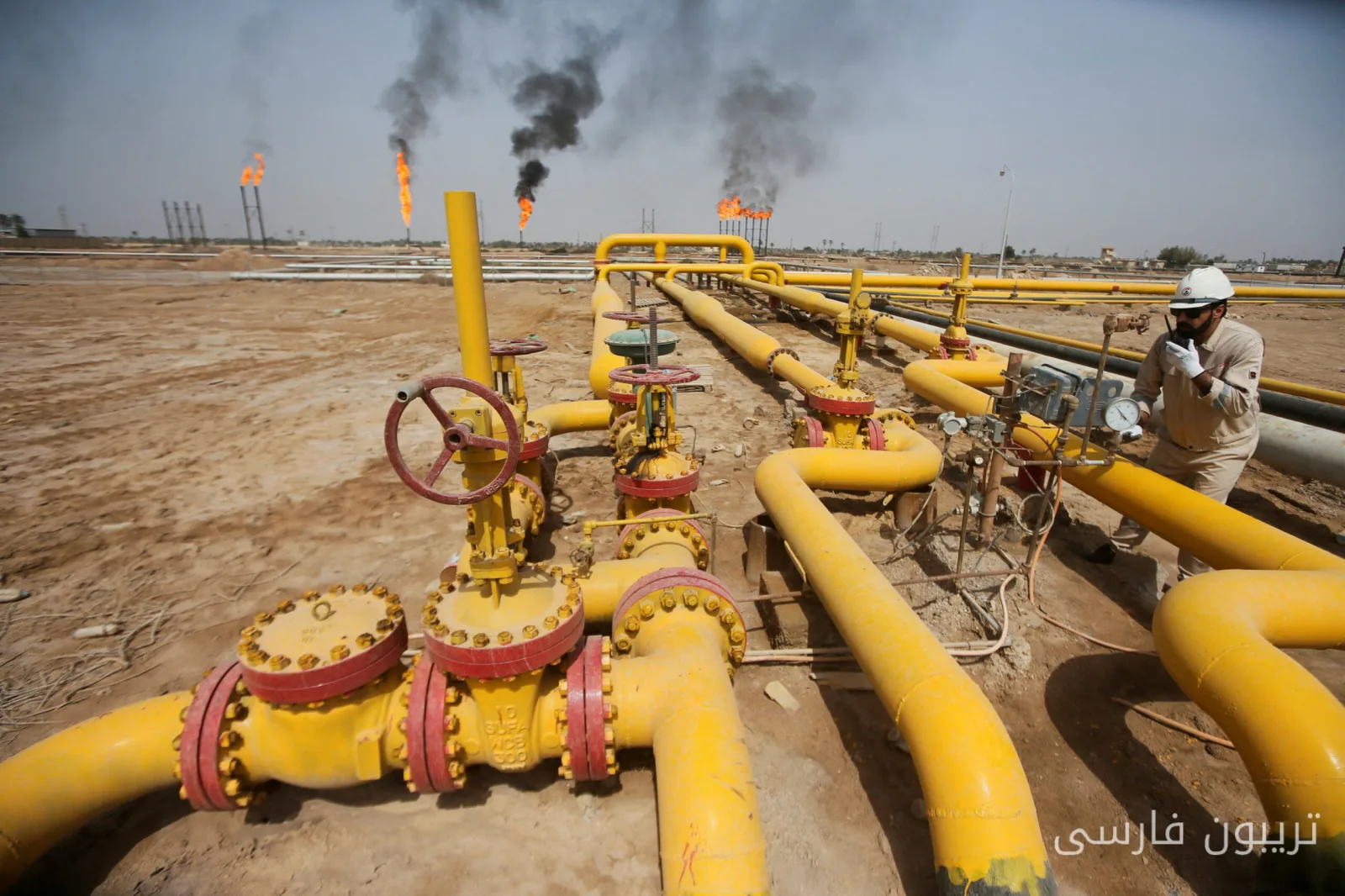
JPMorgan has issued a report warning that the U.S. oil market crisis will not have a bright outlook due to the ongoing war in Iran. This prediction comes as diesel prices in the country have reached their highest point at $6.31 per gallon, and oil reserves have also fallen to their lowest levels.
Impact of the War in Iran on the Oil Market
The continuation of the war in Iran is recognized as a key factor in creating severe fluctuations in the oil market. In this context, JPMorgan has stated that political and military instability in the region, especially in the Middle East, could lead to rising oil and diesel prices. This situation not only affects the U.S. economy but could also impact global markets.
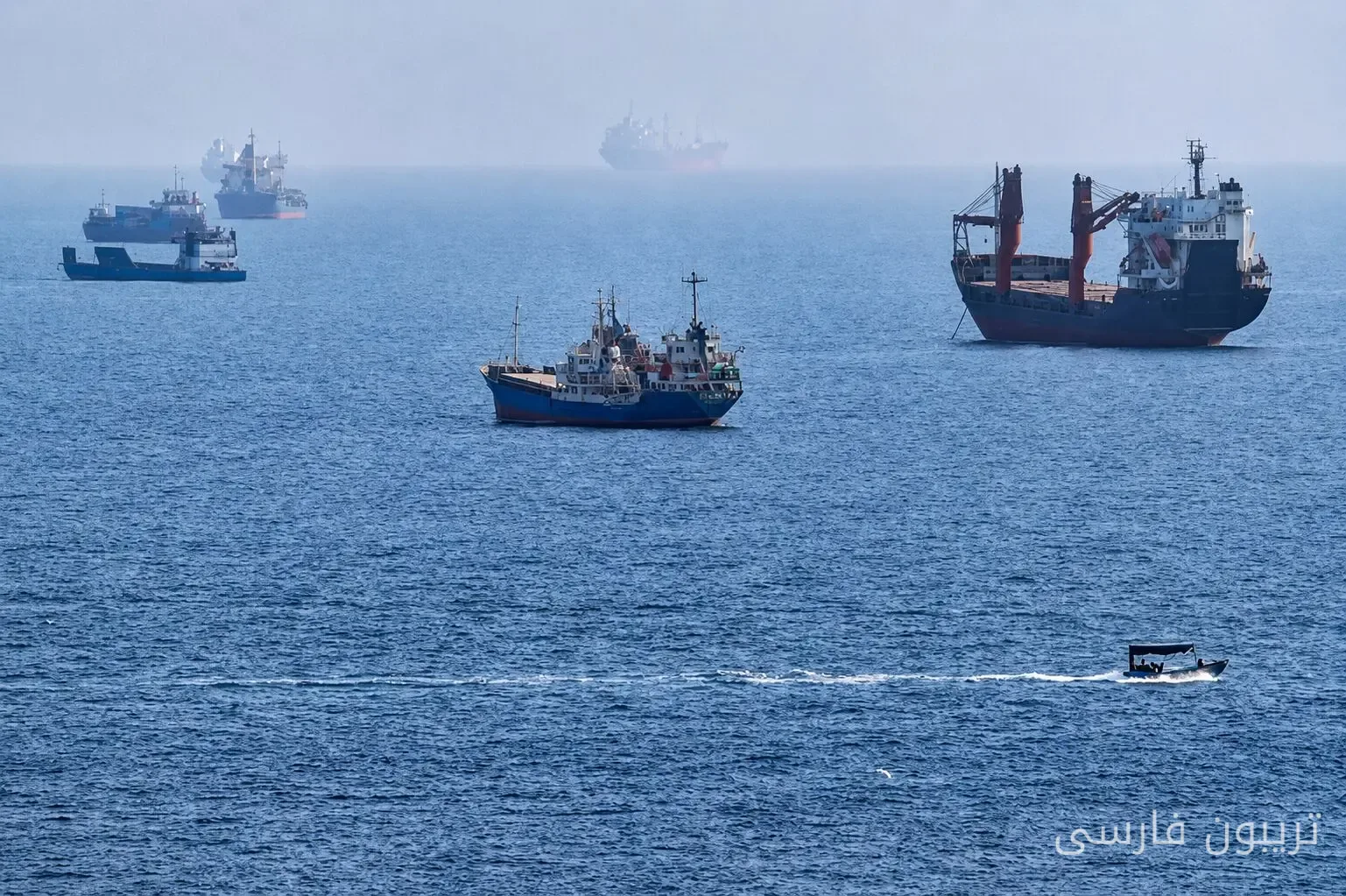
Read more: Unprecedented rise in oil prices to $105 following attacks on tankers
Current Oil Reserves and Prices
According to JPMorgan, U.S. oil reserves have fallen to their lowest level, which could be seen as a warning sign for the country's economy. The decrease in reserves comes at a time when demand for diesel is increasing, especially in the colder seasons when the need for heating fuel rises. This situation could lead to further price increases and pressure on consumers.
In such circumstances, it is expected that American consumers will face higher fuel costs, which could lead to a decrease in their purchasing power and an increase in inflation. On the other hand, this situation may benefit oil producers, as higher prices could lead to increased profitability for them.
Overall, the crisis in the U.S. oil market due to the continuation of the war in Iran and declining oil reserves not only affects the domestic market but may also have global repercussions. Consequently, managing this crisis requires coordinated and strategic actions from the government and economic institutions to prevent its negative impacts on the economy.
Read more: Oil prices reached $105 amid concerns over the war in Iran · New wave of attacks on tankers; tensions in the Persian Gulf escalate