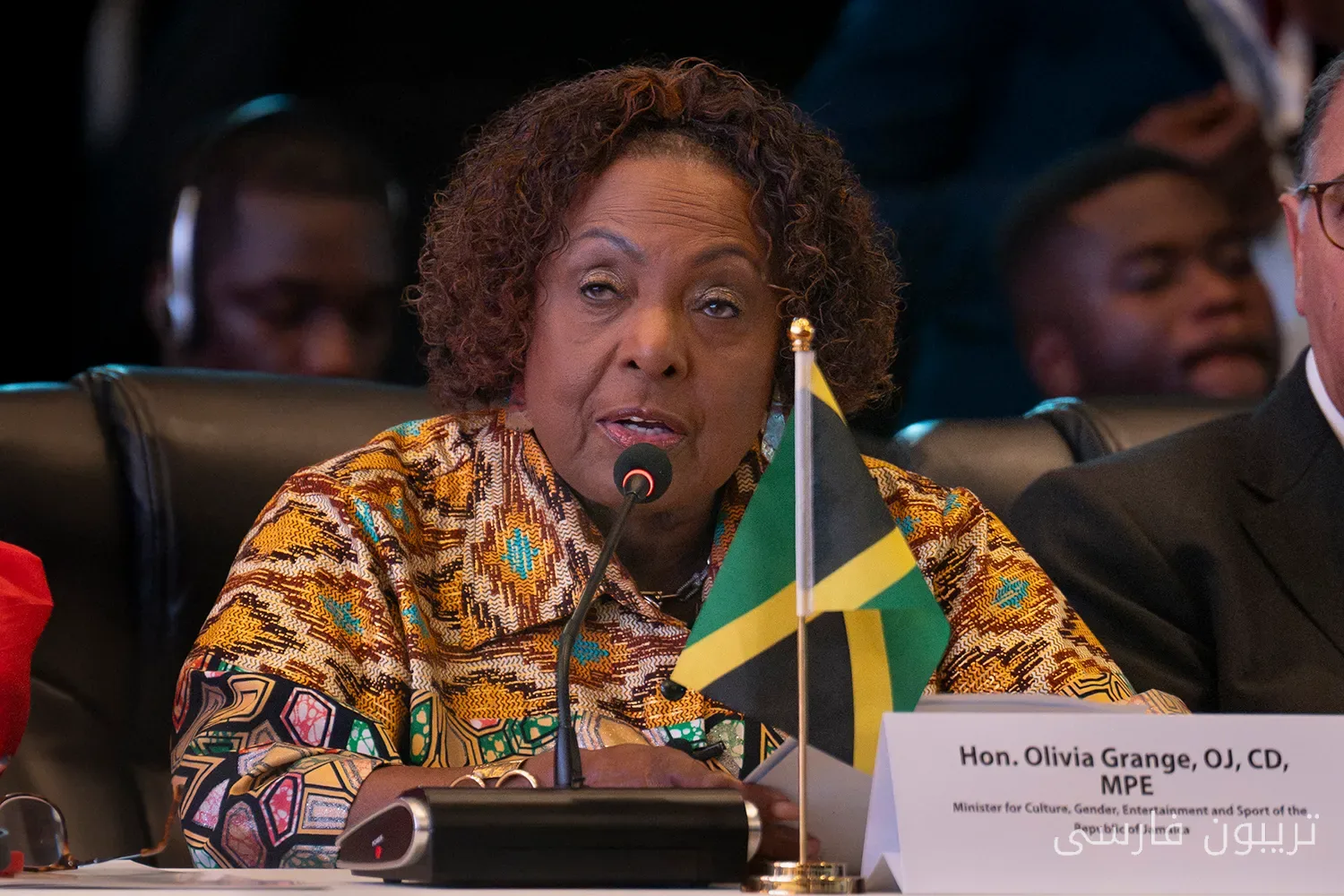
In a controversial move, the Jamaican government has officially asked Britain to pay compensation for the damages caused by slavery. This request has gained widespread attention, especially in the current context where public opinion is more sensitive to social justice and critical historiography.
History of Slavery and Its Consequences
Slavery is one of the darkest chapters in human history, the effects of which are still felt in various societies. Jamaica, as one of the most important centers of the slave trade during colonial times, is seeking reparations for the damages and harms caused by this unjust system due to its long history in this regard. This request represents a serious effort to draw global attention to the historical and social issues that still affect people's lives.
Britain's Response and Challenges Ahead
Although Jamaica's request seems brave and necessary, predicting the reactions to this request is not easy. Britain, as one of the colonial powers in history, may face resistance to this request. But can this resistance mean ignoring history and its consequences?
Many human rights activists and sociologists believe that paying compensation could be seen as a positive step towards achieving social justice and repairing historical relationships between nations. In today's world, where discussions about justice and equality are increasingly expanding, this request from Jamaica could be the beginning of fundamental changes in the relations between Britain and colonized countries.