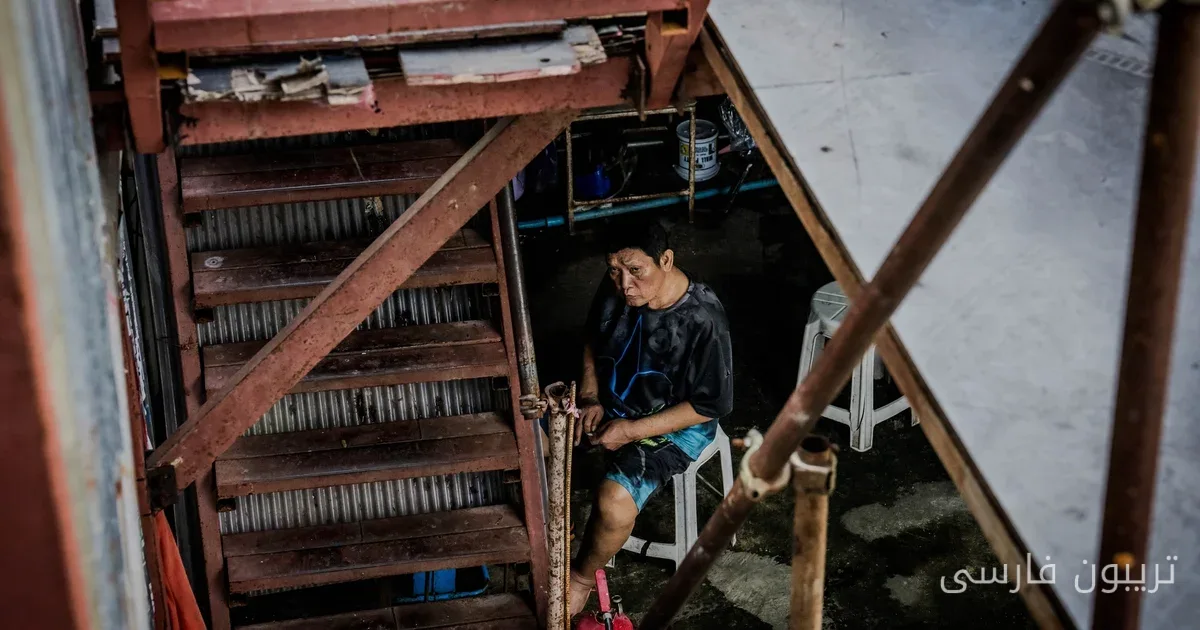
The Asia-Pacific region is facing a serious labor crisis. Estimates suggest that around 15 million people are engaged in forced labor, a situation where individuals are employed without pay or humane conditions. In this context, the main question is whether tariffs can be a solution to this problem?
Tariffs, the Wrong Solution
Tariffs can only affect trade and not the actual living conditions of workers. In fact, while tariffs may lead to increased prices of goods, they cannot help improve the situation of workers in any way. What is truly needed is the establishment of laws and monitoring their enforcement so that workers can live in humane conditions and with appropriate rights.
Different countries must seek to formulate and implement laws that protect workers' rights. These laws should include strict monitoring of workshops and companies to ensure that no one is forced to work. In fact, enforcing these laws can serve as an effective tool to combat forced labor.
The Need to Focus on Workers' Rights
While tariffs may seem attractive to politicians, what is truly important is attention to human rights. Workers must be afforded legal protections and be shielded from abuses. For this purpose, international cooperation and the exchange of experiences among countries can help improve labor conditions globally.
In summary, the only real solution to end forced labor in Asia-Pacific is the establishment of effective laws and monitoring their enforcement. Tariffs, although they may seem like a way to solve the problem, ultimately cannot lead to fundamental changes in the lives of millions of workers.