Eighteenth-century literature, with its amazing works and captivating stories, continues to attract the attention of audiences. While new adaptations of Jane Austen's works, including "Pride and Prejudice" and "Sense and Sensibility," are soon to be showcased, the question arises whether other writers from this period also deserve attention and adaptation. By examining the works of some lesser-known writers, it can be concluded that yes, these writers also have stories that can be appealing to today's viewers.
Captivating Stories and Forgotten Heroes
One of these writers is Elizabeth Haywood, who in her famous work narrates the story of a woman who transforms herself into four different characters to win the affection of a particular man. This work demonstrates that attraction to an individual often depends on the way one presents and displays oneself. The main character of this story, "Fantomina," gains sexual freedom and power through her disguises, which was unimaginable for women in the eighteenth century.
Read more: The Private Life of Babak Jahanbakhsh and Amin Bani's Theatrical Experience
This story can be seen as a precursor to contemporary discussions about identity in the digital space and online life. The question raised here is whether women in today's society are judged just as much as they were in the past?
Questions About Power and Gender
Another story, "Pamela" by Samuel Richardson, explores questions about power, class, and consent. This novel tells the story of a young girl who stands up against her employer's inappropriate demands. This work raises important questions about power dynamics and women's capacities, not only in its own time but also in the contemporary world.
It is essential to note that the novel raises questions about the options available to women against men who hold economic and social power. This issue is particularly significant in light of contemporary discussions about power imbalances in gender relations.
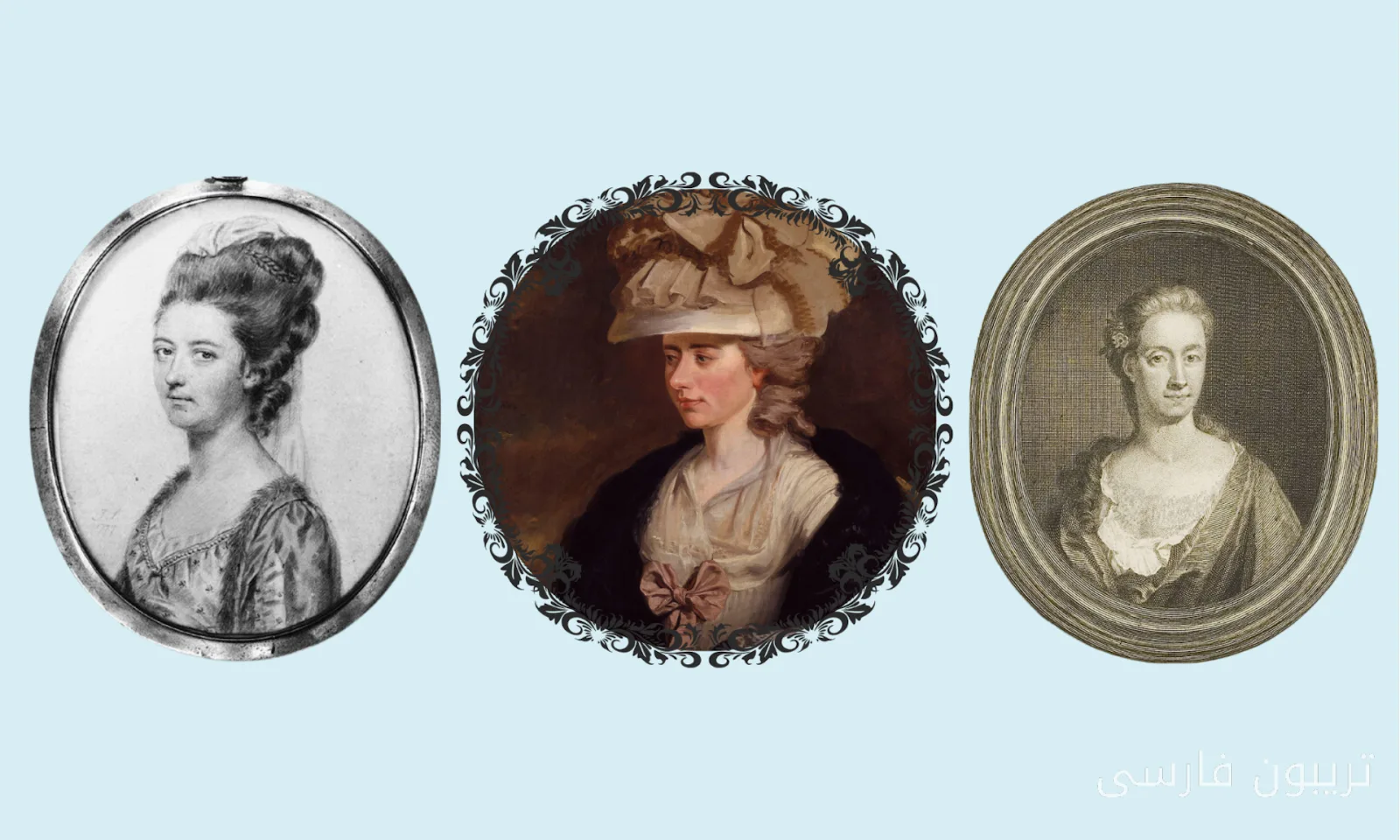
Other works by writers such as Anne Lennox and Fanny Burney also have their unique attractions. Lennox's story "Sister Coyote" examines the consequences of reading romance novels and their impact on women's real lives. This work serves as a critique of society's attitudes towards women's cultural interests.
Burney's novel "Evelina" can be seen as a precursor to Austen's works, telling the story of a girl who faces social challenges and the need to shape her identity in a society filled with social pressures.
Consequences and Prospects for New Adaptations
Since these works relate to contemporary issues, television adaptations of them could offer today's viewers a fresh perspective on social and cultural topics. Given the narrative attractions and complex characters, it seems that these writers may find a place in the television world in the near future.
As a result, while Jane Austen remains in the spotlight, these forgotten writers from the eighteenth century also deserve attention and adaptation. Their stories, with a blend of love, scandal, and social critique, can provide a new and captivating experience for viewers.
Read more: The Novel "The Party Output" by Emily St. John Mandel and a Disheartening Future