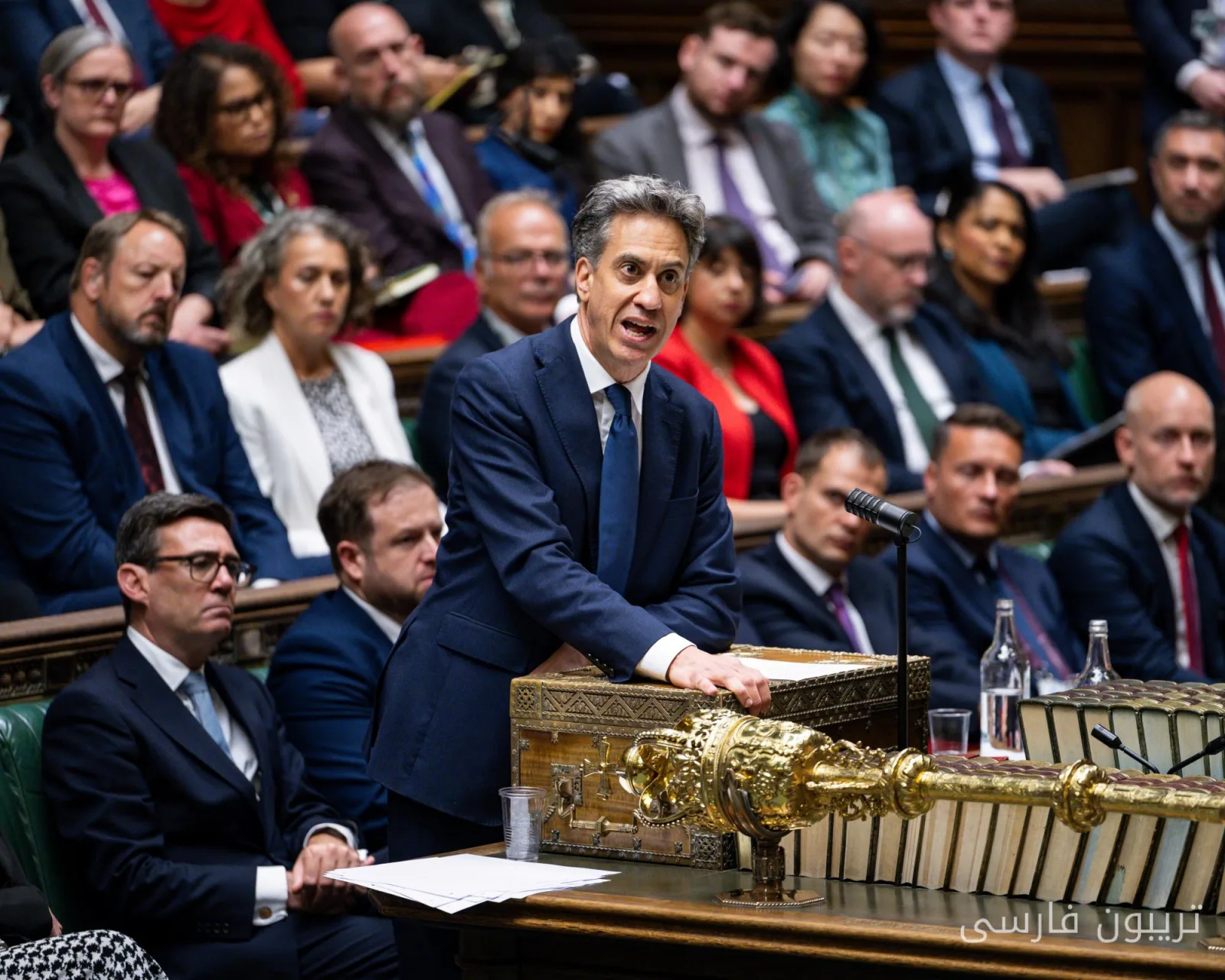
In times when global policies are heavily influenced by humanitarian crises, Britain is, in a way, writing a new chapter in its diplomatic history by changing its approach to the Palestinian issue. Edward Miliband, the UK Foreign Secretary, has criticized Israel's actions in the Palestinian territories with unprecedented clarity and has called for the imposition of economic sanctions against illegal Israeli settlements.
Economic Impacts of Sanctions
This action comes in response to the increasing military attacks by Israel on Palestinian villages in the West Bank and reflects a changing global perspective on this crisis. Britain, along with France and Canada, is forming a coalition of 12 countries to explore the possibility of economic sanctions against Israel. Miliband emphasized that these sanctions are not only a condemnation of Israel's actions but also clearly indicate that this type of occupation must come at a cost.
Evidence of War Crimes and the Need for Policy Change
Alongside these developments, growing evidence of war crimes in Gaza has increased pressure on Britain to reconsider its economic and military relations with Israel. These changes in British policy clearly indicate a shift in international attitudes towards the Palestinian situation and could be seen as a turning point in contemporary history.
Can such economic policies lead to a reduction in tensions and an improvement in human rights in Palestine? Or is this merely a temporary reaction to global pressures? In any case, with this action, Britain has stepped into a new battleground in its diplomatic history that may have significant implications for the future of the Middle East.