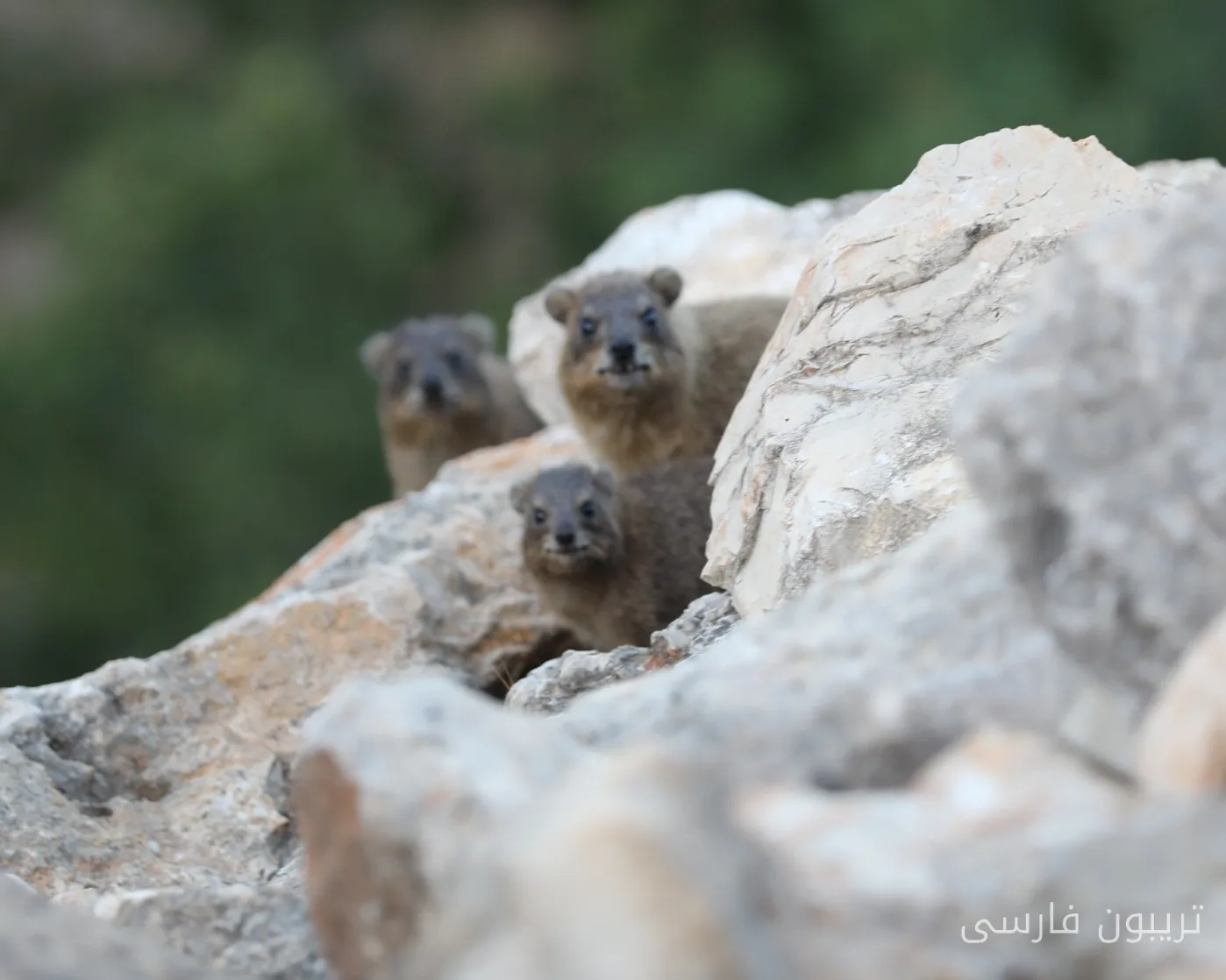
In wars, attention is usually paid to the number of casualties, destroyed homes, and devastated cities, but what remains under the rubble is less examined. In southern Lebanon, repeated explosions not only lead to a human tragedy but also destroy the ancient rocky habitats that have been home to colonies of "Hyrax" for centuries.
Destruction of Ecosystems
Wars have profound effects on the environment. Among them, the "Hyrax," which depends on the fragile habitats of the border region, is one of the animals at risk of extinction. The destruction caused by war harms forests, wildlife, and sensitive ecosystems, and these effects can take generations to return to normal.
As an environmental activist, my effort is to document the damage inflicted on nature and wildlife with my colleagues. This work not only helps preserve information but also sheds light on the darkness of war to show what is being destroyed.
Future Outlook
Although efforts are being made to document and protect these habitats, the reality is that wars show no mercy to nature. If this trend continues, future generations may never experience the beauty and richness of the ecosystems in southern Lebanon.
For this reason, addressing this issue must be included as a necessary priority in any peace and reconstruction program. Wars affect not only humans but the entire ecosystem, and we must pay attention to this reality.