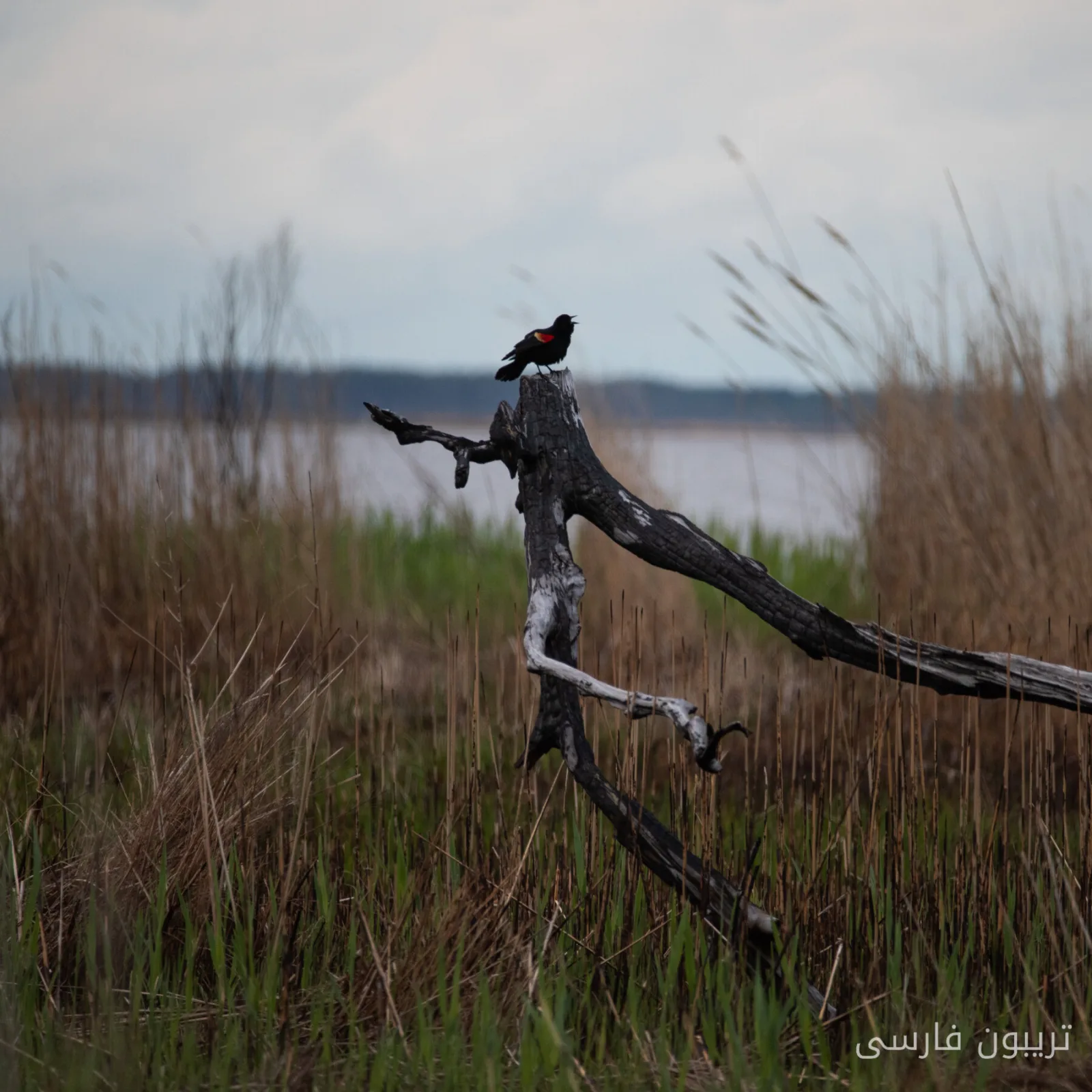
In a controversial and contentious move, the previous U.S. government is looking to eliminate federal protections for most of the country's wetlands. This change could have dire consequences for drinking water sources and natural ecosystems. Wetlands are crucial for groundwater supply and biodiversity preservation, making them particularly important.
Risks of Removing Wetland Protections
The new proposal comes at a time when many wetlands act as natural filters and prevent water pollution. With the removal of these protections, the likelihood of water source contamination and the destruction of natural habitats significantly increases. This change not only affects water quality but could also lead to a decrease in biodiversity and an increased risk of flooding.
This decision has raised the voices of environmental activists and experts, who warn of its serious consequences. Many believe that this action benefits large commercial companies seeking to exploit wetland areas, putting the future of the environment and human lives at risk.
Reactions and Concerns
The criticism of this decision is so strong that some experts have described it as an "attack on the environment." They argue that these changes could lead to environmental crises and jeopardize public health. In a time when climate change severely impacts the environment, such decision-making only increases pressures and creates new crises.
Given these developments, the need for the protection of wetlands and water resources seems more pressing than ever, and environmental activists must raise their voices louder than before. Is this action a sign of a major shift in U.S. environmental policies or merely a temporary decision? These questions remain unanswered.