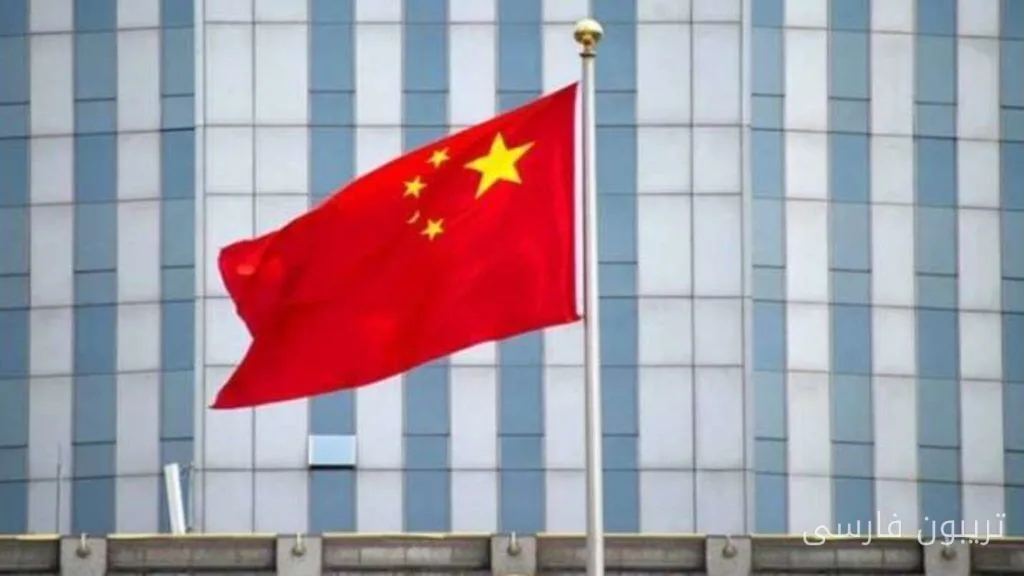
China, as a key player in the equations of the Yemen war, has seriously intervened after more than ٢٠٠ days since the beginning of this conflict. Given the advance of Ansar Allah on the Red Sea coast, Saudi Arabia has asked China to take action to contain the crisis in Yemen. Beijing has also privately asked Tehran to use its influence to prevent the escalation of the war. These developments indicate the importance of China in the geopolitical equations of the Middle East.
China's Role in the New Middle Eastern Equations
China, as Iran's largest trading partner and also an economic partner of Saudi Arabia and other Gulf countries, is becoming a main axis in the consultations of the Yemen war. This country successfully established new diplomatic relations in ٢٠٢٣ between Iran and Saudi Arabia and has now re-emerged as a mediator in the Yemen crisis. Saudi Arabia's request for China to enter the Yemen crisis has been made following the advances of Ansar Allah and the security threat in Bab al-Mandab.
Read more: New U.S. tactics against Iran have led to reduced economic pressure
The Yemen war is shaping a multipolar order in the Gulf; an order in which Arab countries are simultaneously dependent on the U.S. while also expanding their relations with powers like China. Saudi Arabia's contact with China indicates that Riyadh is seeking more options alongside the U.S. security umbrella.
Challenges of China's Mediation
China's request for mediation is based on the assumption that Iran can change Ansar Allah's behavior. However, some Western analysts believe that Ansar Allah, as an independent actor with its own goals, cannot simply follow Tehran's orders. This reality complicates negotiations and mediation.
The oil market also reacted to the news of China's entry, and Brent oil prices fell. It seems that traders are paying attention to the reduced concerns about disruptions in energy routes, especially in Hormuz. This indicates that although pressure on energy routes remains high, the market is adapting to the new conditions.
However, the security situation in the region remains concerning. Incidents such as attacks on tankers in Hormuz and new threats from U.S. officials indicate the continuation of tensions in this waterway. This situation becomes even more significant at a time when Trump speaks of the possibility of further attacks on Iran.
Ultimately, China is trying to maintain a balance between its interests; on one hand, a strategic relationship with Iran and on the other hand, economic relations with Saudi Arabia and Gulf countries. The success of China's mediation depends on its ability to reduce tensions and manage the crisis in Yemen. As the war continues and the fronts become more complicated, these challenges become more significant.
Read more: The rise of the far-right in Europe and America and its analysis · China and the impact of Eurasian geography on energy security strategies