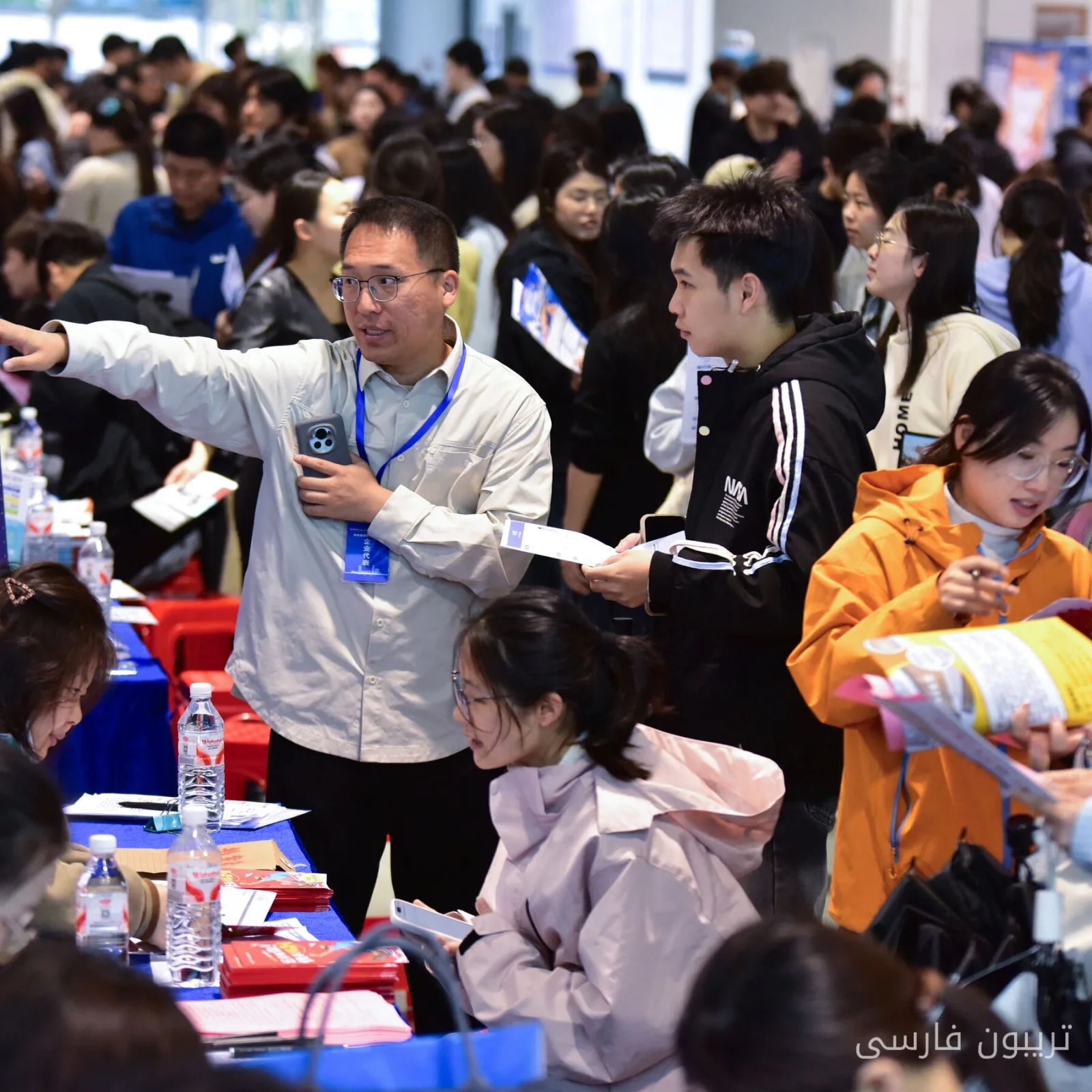
China, a country that has recently opened its doors to 12.7 million young graduates, is currently facing a crisis in the job market. These young people are not only grappling with increasing competition for jobs but also have to contend with the introduction of artificial intelligence into the workforce. This new technology is transforming job structures and altering job roles.
Impact of Artificial Intelligence on the Job Market
In recent years, artificial intelligence has emerged as a key tool in many industries and is gradually replacing human labor. These changes are particularly challenging for young graduates seeking entry-level positions. Many traditional jobs are being eliminated, raising concerns among young job seekers.
According to statistics, university graduates in China must compete with a large number of their peers, while job opportunities have sharply declined. Young people who have recently obtained their degrees are searching for jobs that were once easily accessible, but are now disappearing due to the digital revolution and artificial intelligence.
Future Outlook and Solutions
In light of these challenges, young graduates must enhance their skills and equip themselves with new abilities that are essential in the digital world. At the same time, the Chinese government needs to implement measures to support its young workforce and create new opportunities for them. This issue is particularly important in a rapidly advancing technological landscape.
Undoubtedly, the challenges facing young Chinese graduates in the job market and the rise of artificial intelligence in this arena require serious attention and action. Will these young people be able to leverage their new skills to take advantage of the opportunities that arise?