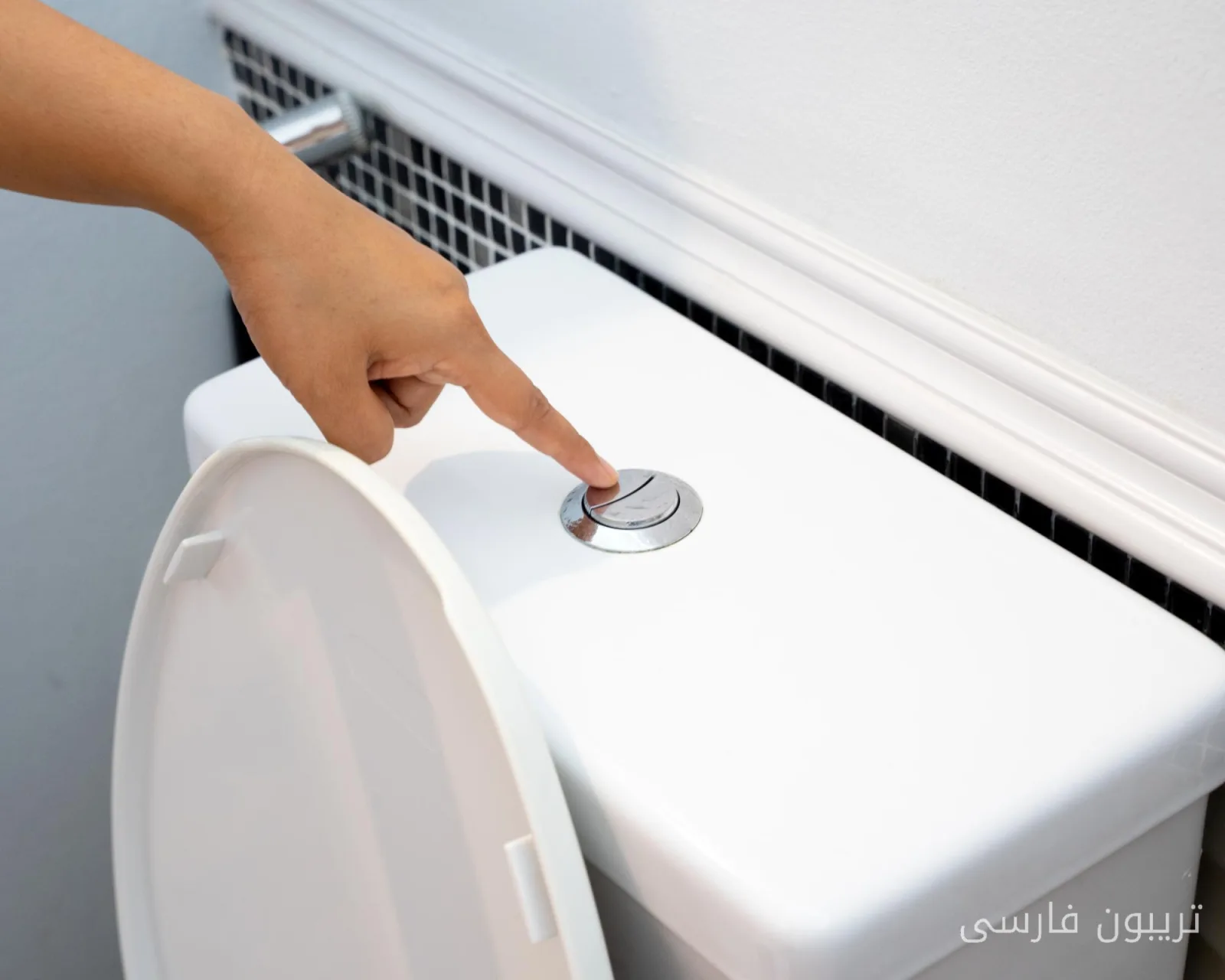
New research shows that flushing toilets can lead to the creation of airborne particles containing pathogens such as Legionella, influenza, and norovirus. These particles are released into the "breathing zone" of adults and can remain suspended in the air for at least 20 seconds.
Airborne Dangers
It seems that closing the toilet lid cannot prevent these pathogens from escaping. These findings are particularly significant in the current climate, where concerns about airborne disease transmission have increased. When a person flushes the toilet, water rapidly descends, and this action can cause tiny droplets of water and contaminants to be propelled into the air due to pressure and sudden movements.
This phenomenon can be especially dangerous in public places. In these environments, the gathering of people and frequent use of toilets can increase the likelihood of disease transmission. For example, in a busy restaurant or a shopping mall, the chances that several people go to the restroom and then these pathogens spread in the space are high.
Preventive Measures
But can we prevent these dangers? Closing the toilet lid may help to some extent, but it is generally not sufficient. Public health experts recommend using toilets with proper ventilation systems in public places, and using smart toilets with advanced sanitary systems can also be effective in reducing these risks.
Additionally, public education on personal hygiene and the proper use of toilets seems to help reduce the spread of diseases. This includes washing hands after using the toilet and using wet wipes and disinfectants.
Ultimately, this new research should serve as a wake-up call for society. We must seriously consider the health implications of using toilets and use this everyday tool with greater caution from now on. In today's world, where diseases can rapidly spread from one person to another, foresight and prevention are of utmost importance.